
CORAL SCIENCE
why are coral reefs important?
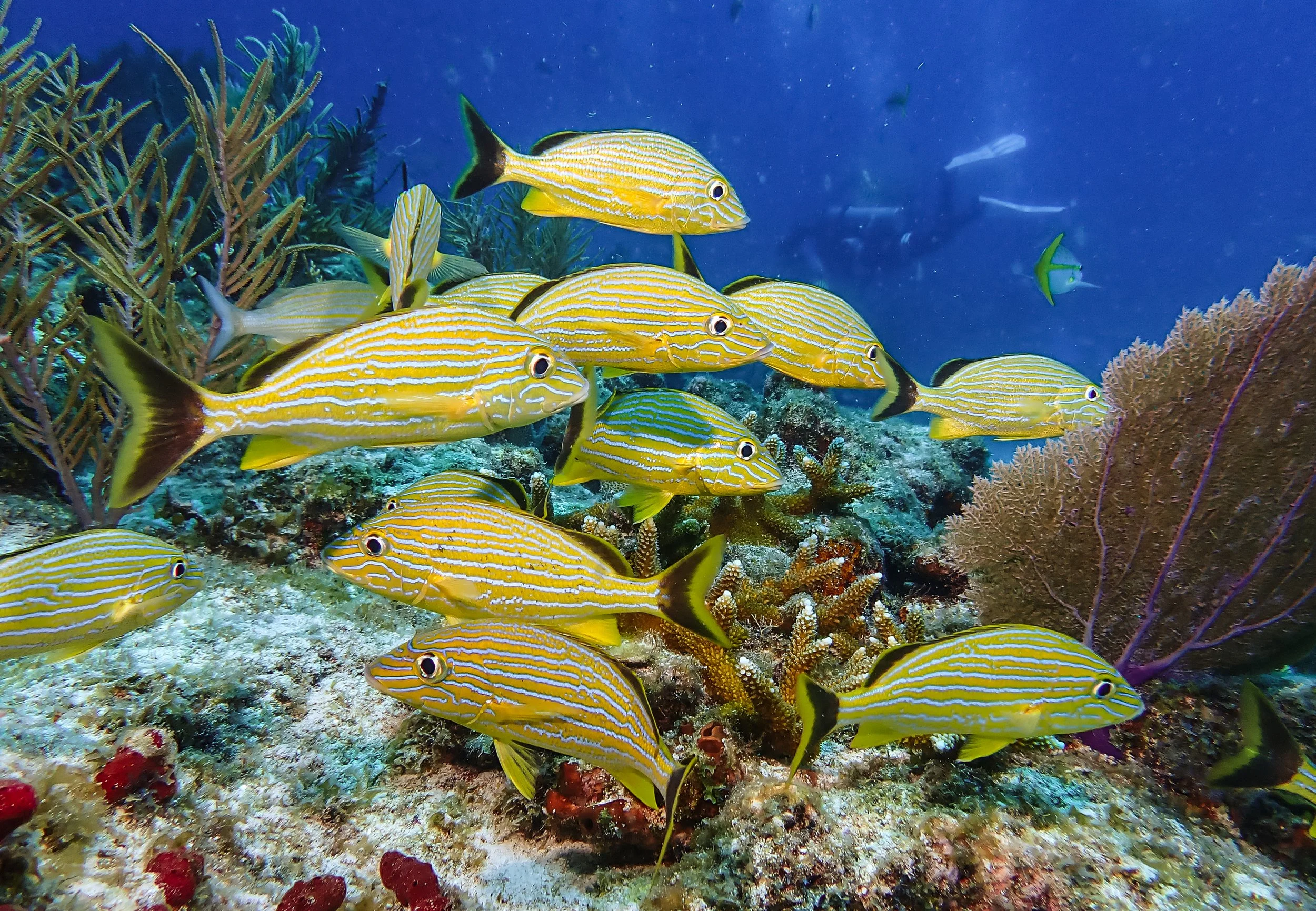
Coral reefs are some of the most productive and diverse marine communities (Bell and Galzin 1984). These ecosystems provide food and shelter to thousands of organisms including fish, crustaceans, marine mammals, and other invertebrates (Bejarano et al. 2011).
The reefs and their inhabitants provide economic support to the Florida Keys by supporting tourism and both commercial and recreational fishing (Costanza et al. 1998). Coral reefs also protect shorelines from storms and erosion (Sheppard et al. 2005). Corals and other associated organisms have also been utilized in the advancements of medical technologies such as bone grafting techniques and possible treatments for diseases including Alzheimer’s and cancer (Cooper et al. 2014).
What is a coral?
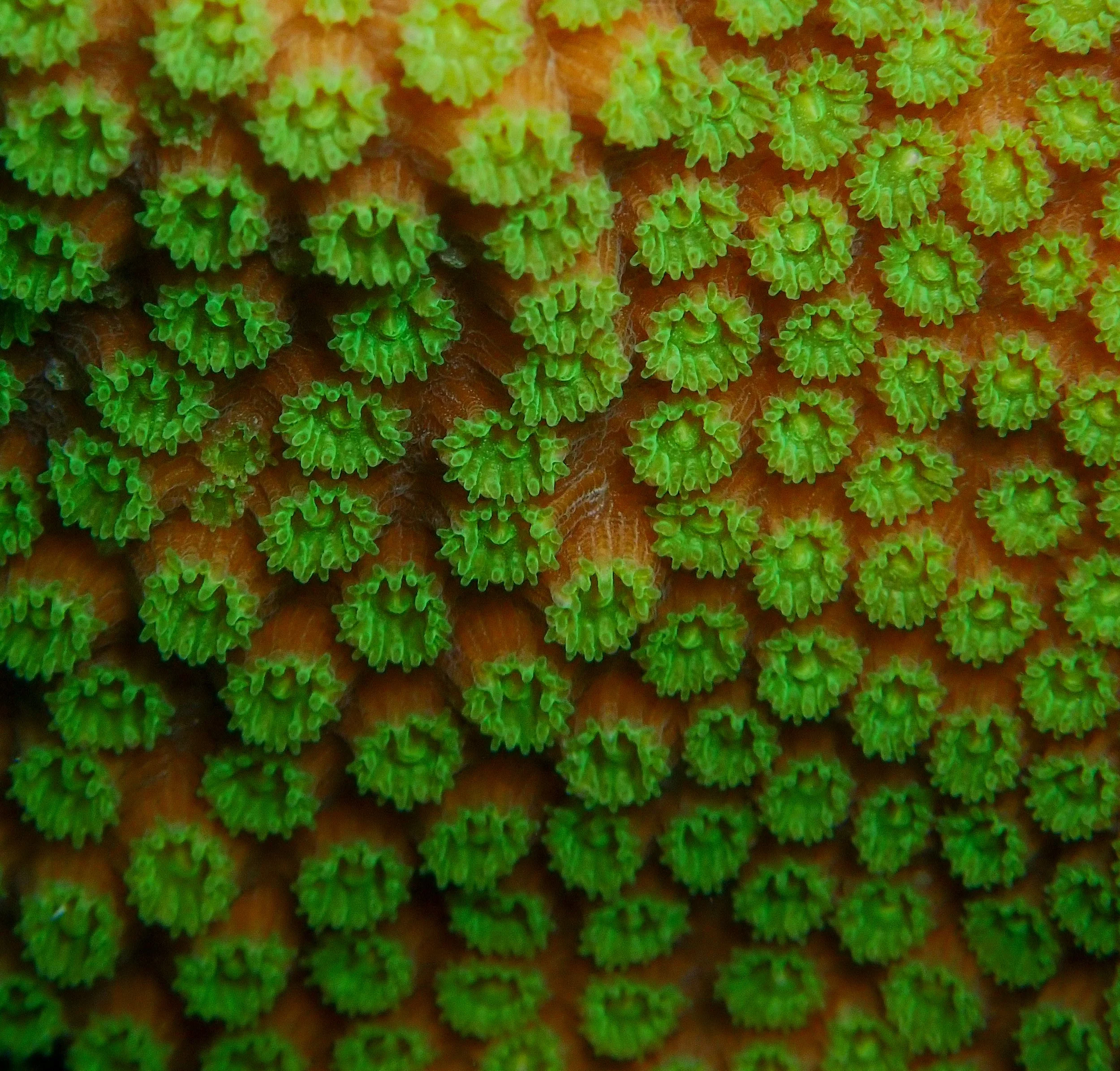
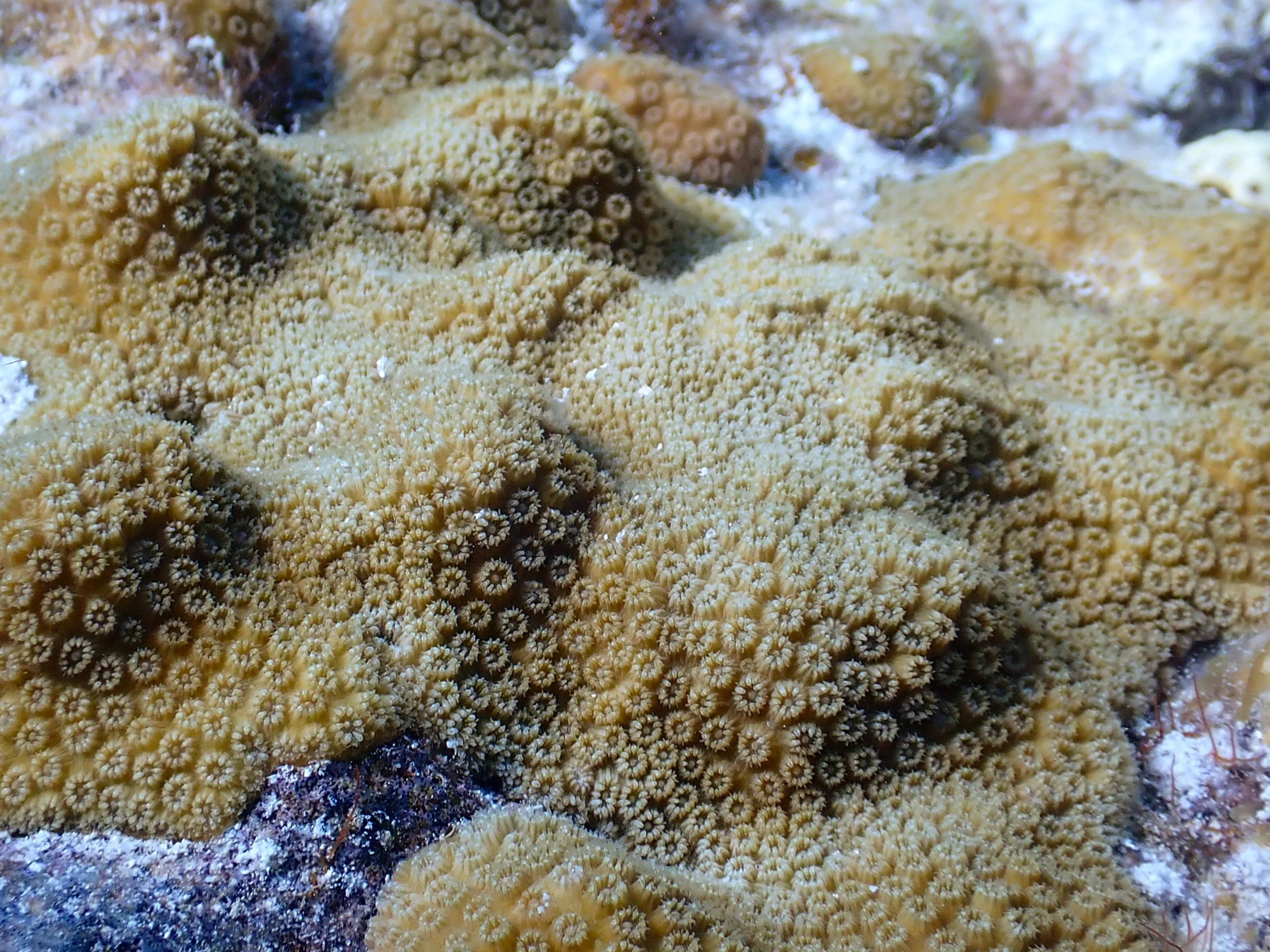
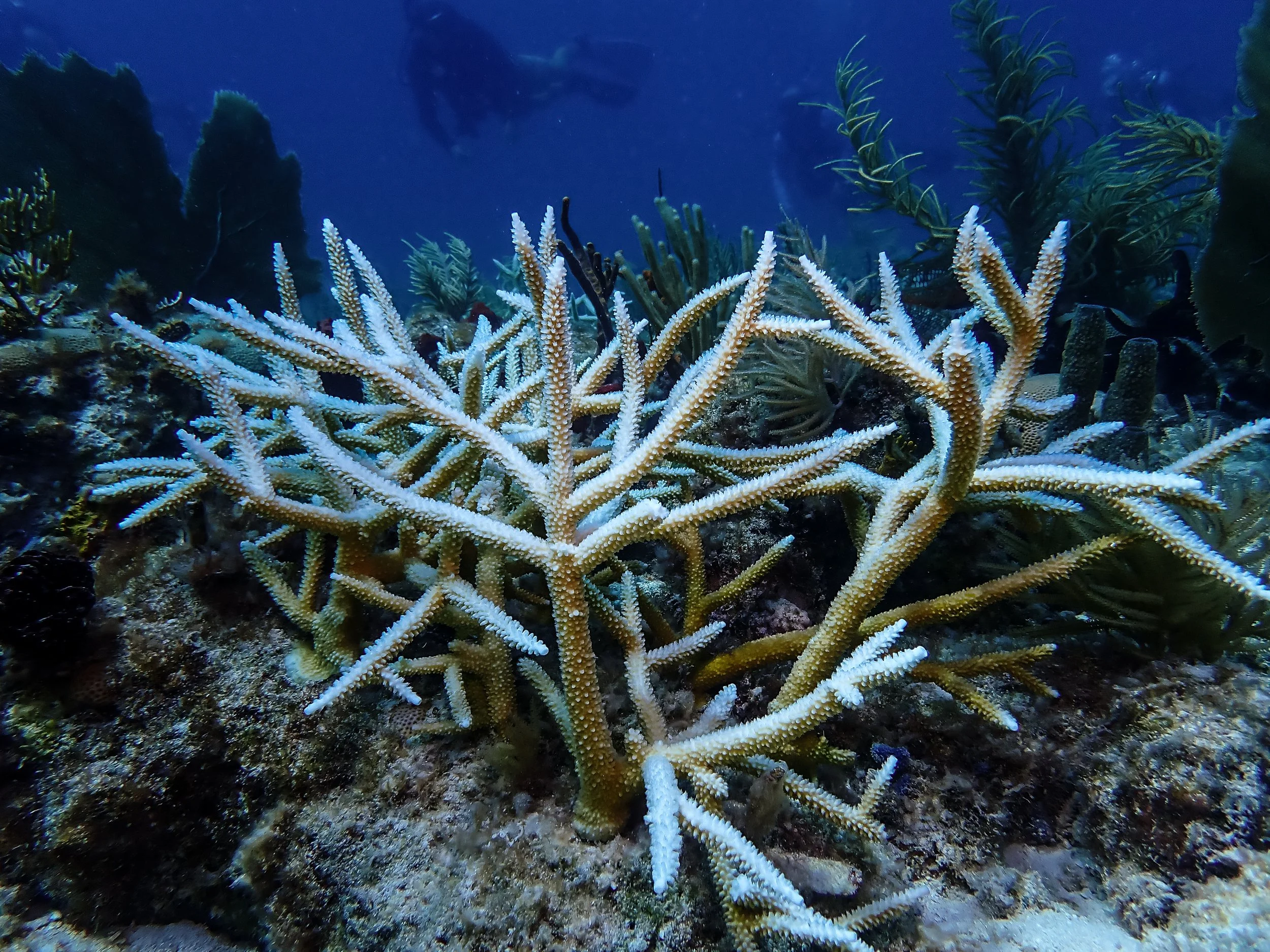
Corals are amazing animals belonging to a group of invertebrates called Cnidaria. An individual coral polyp will settle on the sea floor and secrete its own skeleton made of calcium carbonate. This polyp will grow by reproducing asexually, where it makes an identical copy of itself. Each additional polyp will continue in this growth pattern to form a coral colony. Corals have a mutualistic relationship with microscopic algal cells known as zooxanthellae (Brown 1997). These tiny plant cells use the carbon dioxide byproduct from their coral host to photosynthesize and, in return, these algal cells provide energy to the coral to grow. While corals still use their tentacles to catch their own food, the energy provided by zooxanthellae allows corals to grow much faster (Sumich and Collard 1999). These algal cells also provide corals with their vibrant coloration. When a coral is stressed (increased water temperature or lower pH levels), they will expel their zooxanthellae. Since coral tissue is transparent, a coral colony without its zooxanthellae will show its underlying skeleton, making the colony appear white. This loss of zooxanthellae is known as “Coral Bleaching.”
What challenges are coral reefs facing?
Coral reefs are facing numerous challenges. Some of these challenges include environmental stressors such as increased sea water temperature, decreased pH levels, or increased nutrients in the water column blocking sunlight (Sumich and Collard 1999). Some of these challenges also include changes in the community structure such as increased predation and competition. Certain reef inhabitants, including some species of butterflyfish and snails, are coral obligates – meaning they feed directly on coral colonies. Other species compete with coral colonies for space on the substrate including sponges, soft coral, and algae (LaPointe 1989). Since the 1960s, coral reefs have seen drastic declines in their herbivore populations through overfishing and urchin diseases (Hughes 1994). These herbivores have been observed to regulate the abundance of competitive algae and increase overall coral health (Mumby et al. 2006).
How can we help?
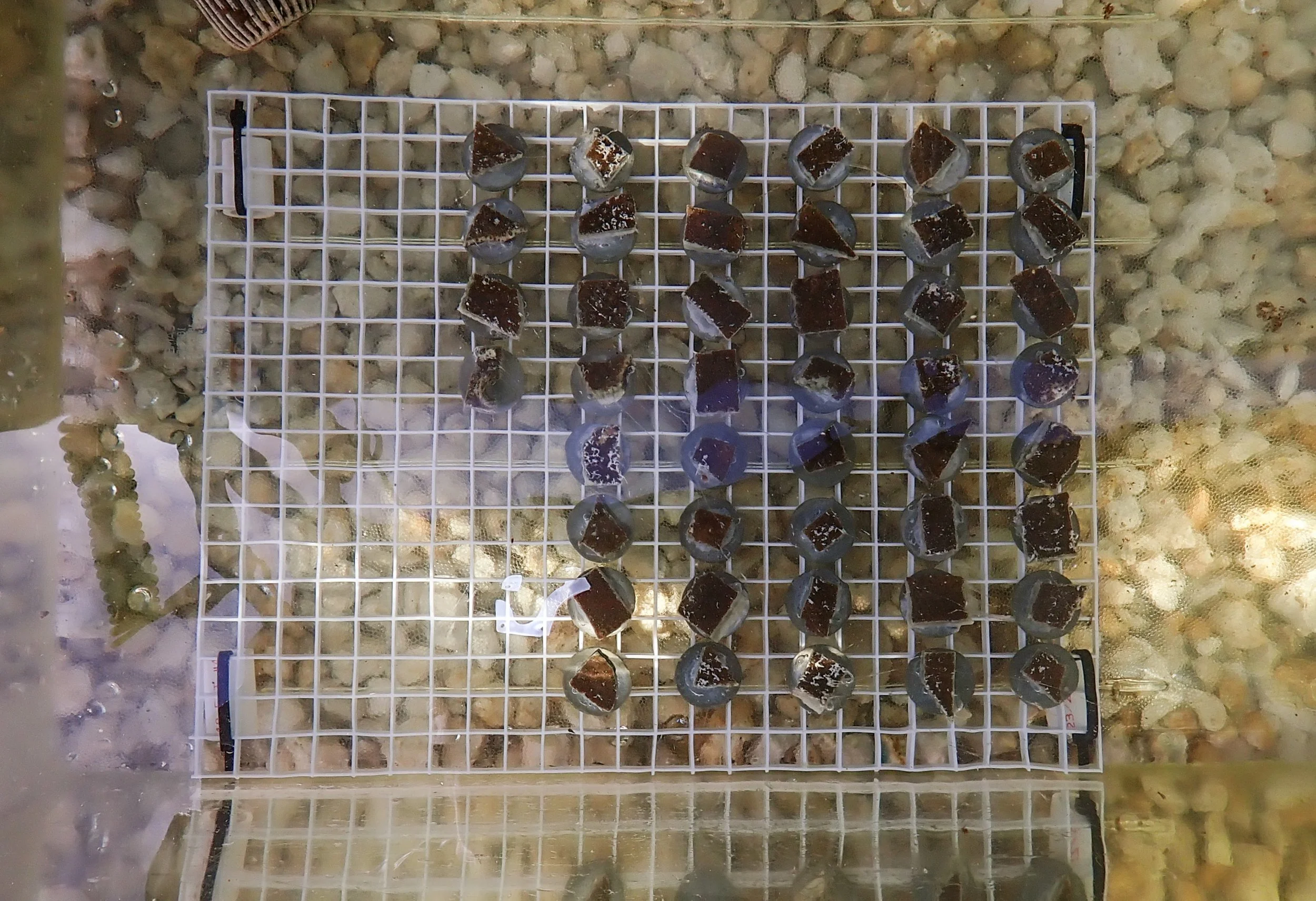
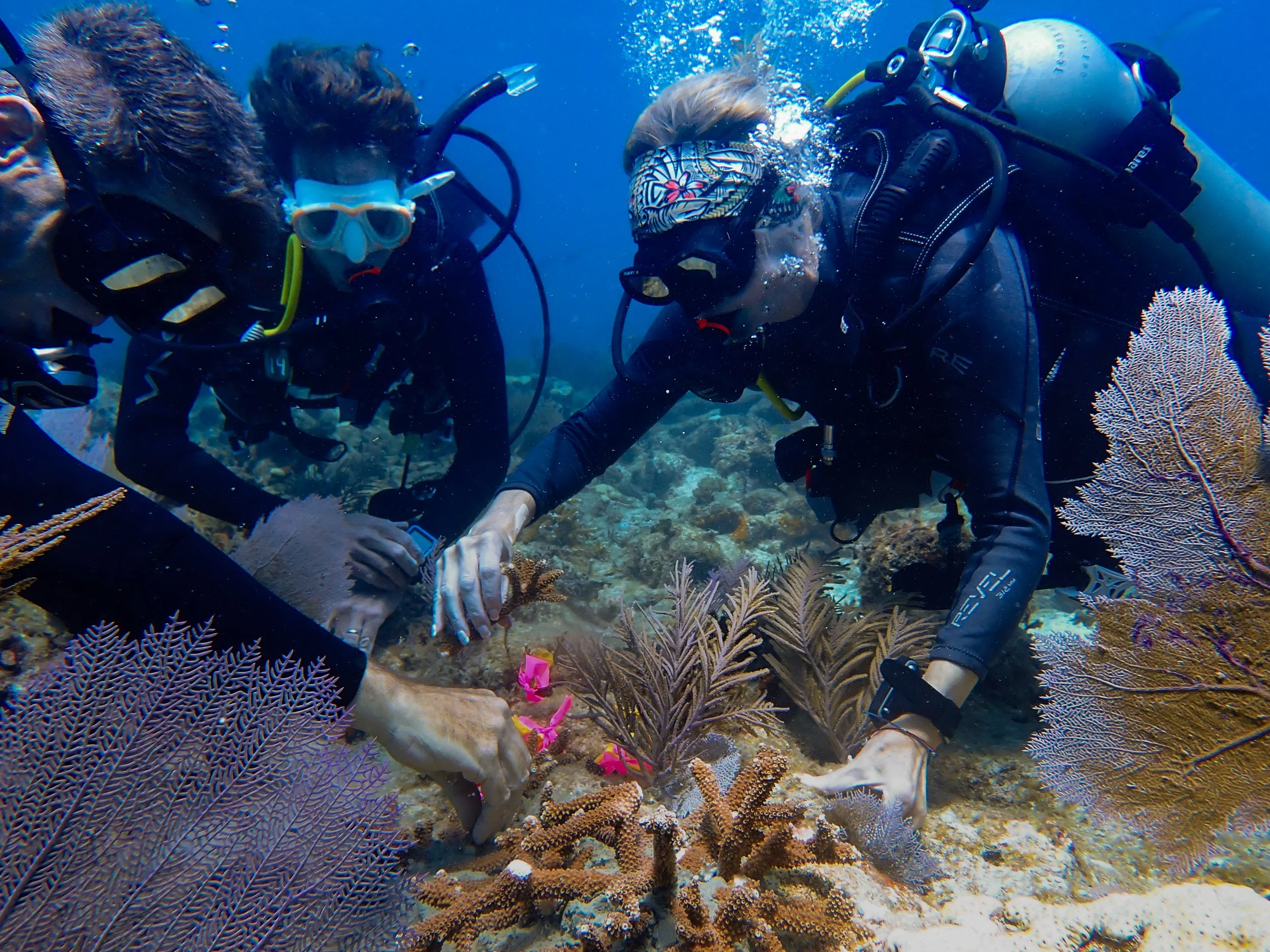
To combat the decline in coral cover, many organizations are focusing their efforts on transplanting coral colonies grown in nurseries onto the reef. This increase in coral will continue to provide resources to the organisms that rely on corals, as well as increasing the number of corals reproducing on each reef. In addition to restoring corals, restoring populations of herbivores will regulate densities of competitive algae and ensure the success of these coral transplants. You can help combat this decline by joining I.CARE’s coral reef restoration efforts and make a hands-on difference!
Literature Cited
Bejarano, S., P. J. Mumby, and I. Sotheran. 2011. Predicting structural complexity of reefs and fish abundance using acoustic remote sensing (RoxAnn). Marine Biology 158:489-504.
Bell, J. D., and R. Galzin. 1984. Influence of live coral cover on coral-reef fish communities Marine Ecology-Progress Series 15:265-274.
Brown, B. E. 1997. Coral bleaching: causes and consequences. Coral Reefs 16:S129-S138.
Cooper, E. L., K. Hirabayashi, K. B. Strychar, and P. W. Sammarco. 2014. Corals and their potential applications to integrative medicine. Evidence-Based Complementary and Alternative Medicine 2014:9.
Costanza, R., R. d’Arge, R. de Groot, S. Farber, M. Grasso, B. Hannon, K. Limburg, S. Naeem, R. V. O’Neill, J. Paruelo, R. G. Raskin, P. Sutton, and M. van den Belt. 1998. The value of the world’s ecosystem services and natural capital. Ecological Economics 25:3-15.
Hughes, T. P. 1994. Catastrophes, phase shifts, and large-scale degradation of a Caribbean coral reef. Science-AAAS-Weekly Paper Edition 265:1547-1551.
LaPointe, B. E. 1989. Caribbean coral reefs: are they becoming algal reefs. Sea Frontiers 35:82-91.
Mumby, P. J., C. P. Dahlgren, A. R. Harborne, C. V. Kappel, F. Micheli, D. R. Brumbaugh, K. E. Holmes, J. M. Mendes, K. Broad, J. N. Sanchirico, K. Buch, S. Box, R. W. Stoffle, and A. B. Gill. 2006. Fishing, trophic cascades, and the process of grazing on coral reefs. Science 311:98-101.
Sheppard, C., D. J. Dixon, M. Gourlay, A. Sheppard, and R. Payet. 2005. Coral mortality increases wave energy reaching shores protected by reef flats: Examples from the Seychelles. Estuarine, Coastal and Shelf Science 64:223-234.
Sumich, J. L., and S. Collard. 1999. An introduction to the biology of marine life. WCB/McGraw-Hill, Boston.